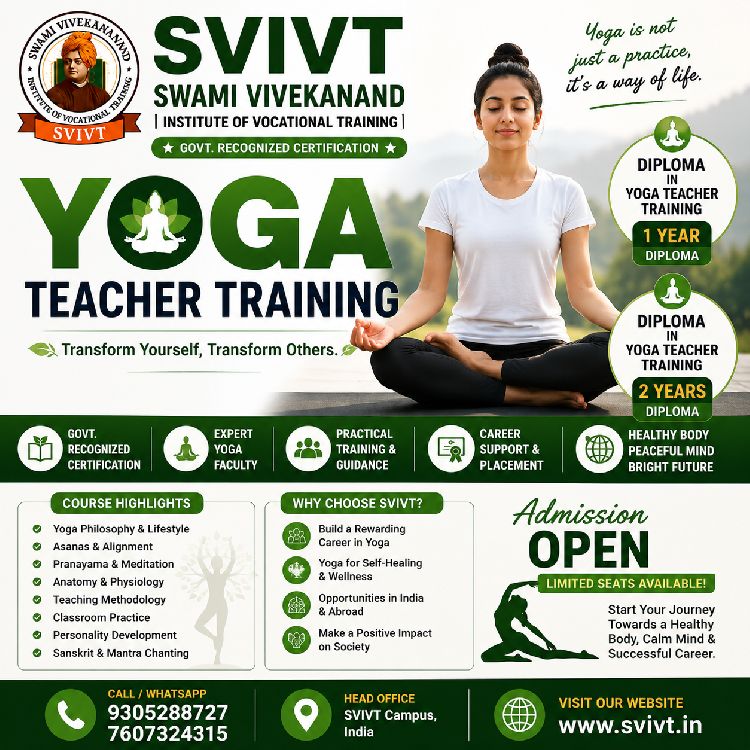
Introduction to Yoga: History and philosophy of Yoga, Overview of the 8 limbs of Yoga (Ashtanga Yoga), Different types of Yoga (Hatha, Raja, Bhakti, Karma, Jnana), Concept of Prana and Pranayama, Overview of Yoga Sutras of Patanjali, Importance of meditation and mindfulness, Relationship between body, mind, and soul in Yoga, Yogic ethics and guidelines (Yamas and Niyamas), Basic understanding of the Chakras, Nadis, and energy channels, The role of a Yoga teacher and student ethics.
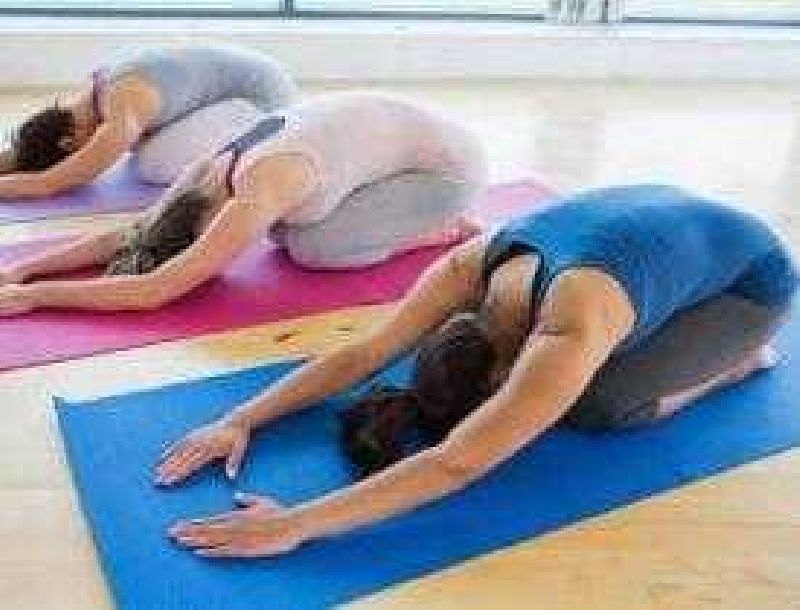
Asanas (Yogic Postures): Importance of asanas in Yoga practice, Categories of asanas (standing, sitting, prone, supine), Correct alignment in Yoga postures, Therapeutic use of specific asanas, Breathing techniques during asanas, The concept of flexibility and strength in Yoga, How to perform basic asanas (Tadasana, Trikonasana, Bhujangasana, Paschimottanasana), Principles of sequencing asanas for different goals (relaxation, strength, flexibility), Modifications and variations of asanas for beginners and advanced students, Safety precautions and injury prevention during asana practice.
Pranayama (Breathing Techniques): Introduction to Pranayama and its significance, Different types of Pranayama (Nadi Shodhana, Kapalbhati, Ujjayi, Bhastrika), Techniques of proper breathing (abdominal, thoracic, clavicular), The role of breath in controlling Prana, Benefits of Pranayama for physical and mental health, The physiological effects of different Pranayama techniques, Breath retention (Kumbhaka) and its practice, Using Pranayama to enhance concentration and focus, Pranayama for stress management and relaxation, Contraindications and precautions in Pranayama practice.
Meditation Techniques: The purpose of meditation in Yoga, Introduction to different meditation techniques (Mantra, Zazen, Vipassana, Trataka), Mindfulness meditation and its benefits, Breath-based meditation practices, Guided visualization and its role in stress relief, Chakra meditation for energy balance, Meditation for mental clarity and emotional healing, Developing concentration and inner peace, Use of sound and silence in meditation, The process of meditation and mindfulness in daily life.
Anatomy and Physiology for Yoga: Basic human anatomy relevant to Yoga practice, Muscular and skeletal systems in Yoga, Understanding the spine, joints, and connective tissues, How Yoga affects the circulatory and respiratory systems, Understanding the nervous system and its relation to Yoga, The role of the endocrine system in Yoga practice, Effects of Yoga on the digestive and lymphatic systems, Anatomy of breathing and its impact on Pranayama, Alignment and posture in Yoga for injury prevention, The importance of body awareness in Yoga practice.
Yoga Therapy and Healing: Principles of Yoga therapy, How Yoga can be used to treat common ailments (back pain, stress, insomnia), Understanding the therapeutic benefits of specific asanas and Pranayama, Yoga for mental health (anxiety, depression), Therapeutic use of meditation and mindfulness, Creating personalized Yoga therapy routines, The role of Yoga in chronic disease management, Benefits of Yoga for immune system health, Yoga for elderly and special populations, Case studies and practical applications of Yoga therapy.
Eligibility: A high school (10th grade) is the minimum requirement.
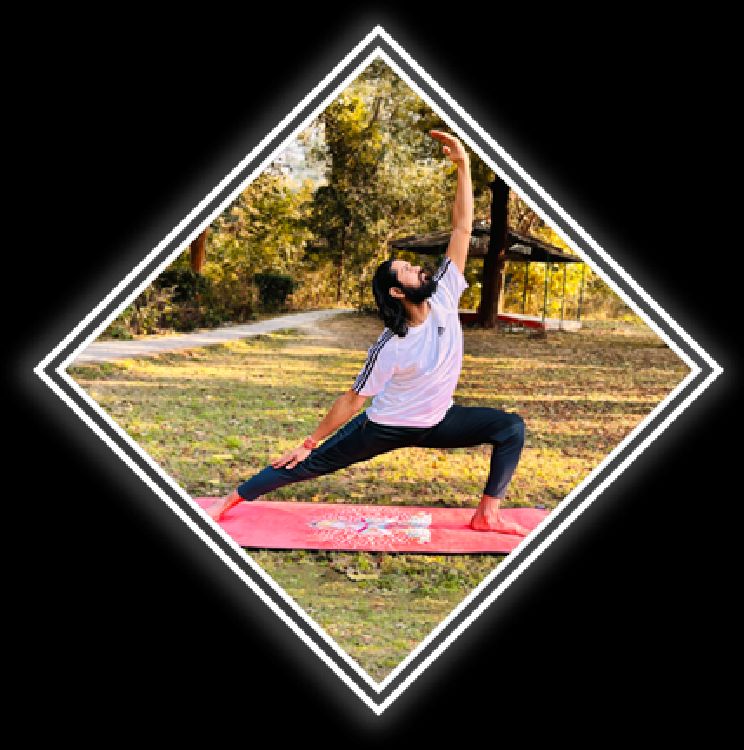
Course Code : S-DY-Q0001
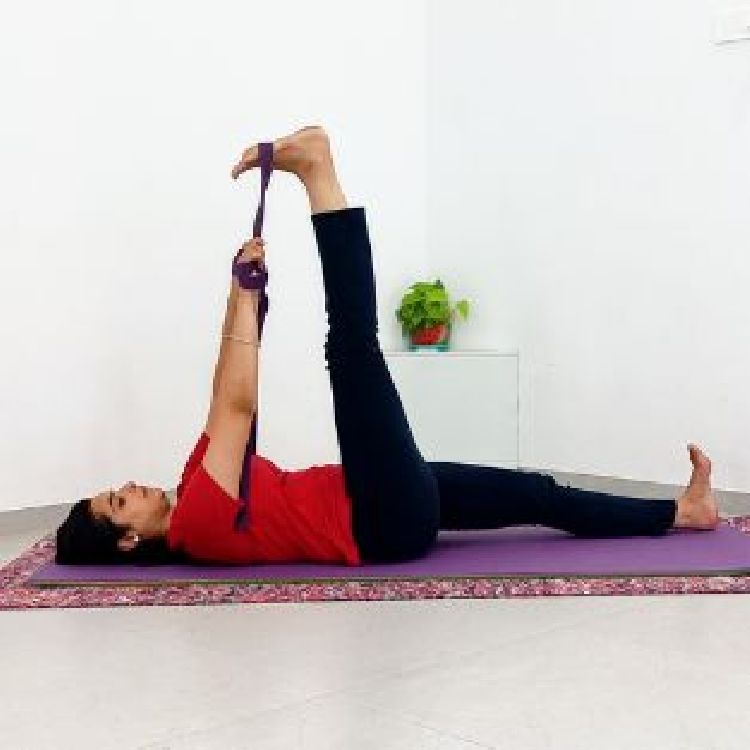
Course Code : S-DYNC-Q0002
Course Code : M-DY-Q0001
Course Code : M-DYNC-Q0004
Course Code : M-DNTT-Q0001
Course Code : M-DNTT-Q011

Course Code : M-M-DNTTQ012

Course Code : M-DPNECT-Q0013

Course Code : M-CIBP-Q1001

Course Code : M-DIBW-Q1002

Course Code : M-ADBPHD-Q1003
Course Code : M-CIMPR-Q1030

Course Code : M-DMR-Q0032

Course Code : M-DMAD-Q0034

Course Code : M-ADRM-Q1041

Course Code : M-CBC-Q1001

Course Code : M-DPEBCT-Q1001

Course Code : M-DPEBCT-Q1002
Course Code : M-DNTT-Q011
Course Code : M-M-DNTTQ012

Course Code : M-DEIMT-Q140

Course Code : M-DEIMT-Q141
Course Code : M-HHBDT-Q1001
Course Code : M-DHM-Q1020.
Course Code : M-ADRM-Q1041

Course Code : M-DHM-Q1020
Course Code : M-CIBP-Q1001
Course Code : M-DHM-Q1020.
Course Code : M-DHM-Q1020
Course Code : M-DICCE-110
Course Code : M-DICCE-110
Course Code : M-M-DNTTQ012
Course Code : M-DNTT-Q011

Course Code : M-PGDRM-18